Hooded Font: Handwritten Elegance for Crafters
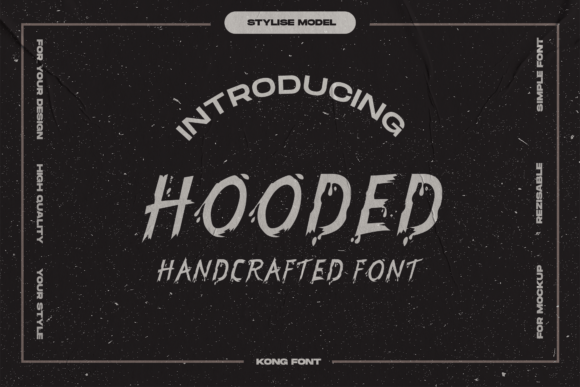
Hooded is a modern and unique handwritten script font that brings a personal touch to any project. As a crafter, I know how important it is to have a font that looks beautiful but still reads clearly, especially when it comes to labels, signs, and printed products. Hooded delivers on both style and functionality, making it a valuable addition to any creative toolkit.
What Makes Hooded Stand Out?
Hooded has a warm, expressive character that feels handcrafted yet polished. Its fluid strokes and subtle flourishes give it a natural, artistic vibe that works well for handmade and personalized items. Whether you're designing invitations, creating printable wall art, or adding custom text to product tags, Hooded adds a sense of charm and authenticity.
The font’s personality makes it ideal for projects that need a human touch. It's not too ornate, which means it remains readable even in small sizes or on cutting machines like Cricut and Silhouette. This balance between aesthetics and practicality is what makes Hooded so versatile for crafters and designers alike.
How to Use Hooded in Real Projects
One of the best things about Hooded is its wide range of applications. It works great for handmade labels, such as those on candles, soaps, or bath bombs. The font’s soft curves and gentle slopes make it perfect for farmhouse-style signs, wedding welcome boards, or seasonal decorations. You can also use it for birthday invitations, thank-you cards, and other stationery pieces that need a personal flair.
For digital creators, Hooded is an excellent choice for printable products. Whether you're selling digital downloads, SVG designs, or planner pages, this font adds a professional yet approachable look. It pairs well with clean, modern fonts, allowing you to create balanced and visually appealing layouts without overwhelming your audience.
When working with physical products, like mugs, tote bags, or shirt prints, Hooded can help elevate the design. Its handwritten feel gives your products a more artisanal appearance, which can be a big selling point for customers looking for something unique. Just make sure to test the font at different sizes to ensure readability, especially when using it on small stickers or product tags.
Practical Tips for Using Hooded
When using Hooded on cutting machines, keep in mind that some characters may require slight adjustments to ensure they cut properly. For example, the lowercase 'g' or 'y' might need a bit of tweaking to avoid issues during the cutting process. Always preview your design in the software you're using before sending it to the machine.
For printed cards or labels, choose a high-quality paper stock to bring out the font’s details. If you're creating mockups, consider using a white or light background to highlight the font’s natural flow. This helps potential customers visualize how the font will look in real-life applications.
If you're pairing Hooded with other fonts, think about contrast. A bold serif or a clean sans serif can complement its handwritten style, creating a cohesive and professional look. This is especially useful when designing packaging, logos, or marketing materials where clarity and brand identity matter.
Font Pairing Ideas
Pairing Hooded with a simple sans serif font like Helvetica or Arial can create a modern, elegant look. This combination works well for product packaging, website headers, or social media graphics. Alternatively, pairing it with a classic serif font like Times New Roman or Georgia can add a timeless, refined feel to invitations, certificates, or formal stationery.
If you're going for a more playful or rustic aesthetic, try combining Hooded with a bold display font. This can add visual interest while keeping the overall design from becoming too busy. Just be mindful of legibility—especially when using the font for longer text or in smaller sizes.
Commercial Use and Licensing
As a freebie, Hooded offers a great opportunity for small business owners and printables creators to enhance their designs without breaking the bank. However, it's important to check the licensing terms to make sure you're allowed to use it for commercial purposes. Most free fonts come with specific restrictions, so always review the license agreement before using the font for selling physical products, digital downloads, or client work.
For those looking for more flexibility, consider investing in a premium version of the font if available. Premium fonts often include additional styles, ligatures, and multilingual support, which can be beneficial for larger or more complex projects.
Why Hooded Is a Must-Have for Crafters
Hooded isn’t just another font—it’s a tool that can help you stand out in a crowded market. Its blend of creativity and practicality makes it ideal for a wide range of handmade and printable projects. Whether you're creating custom labels, designing invitations, or working on seasonal crafts, Hooded adds a level of sophistication that customers will appreciate.
As a crafter, I rely on fonts like Hooded to bring my ideas to life. It’s one of those rare typefaces that feels both artistic and functional, making it a valuable part of my design arsenal. If you're looking for a font that can elevate your handmade products and digital creations, Hooded is definitely worth exploring.