Tempting: A Dazzling Script Font
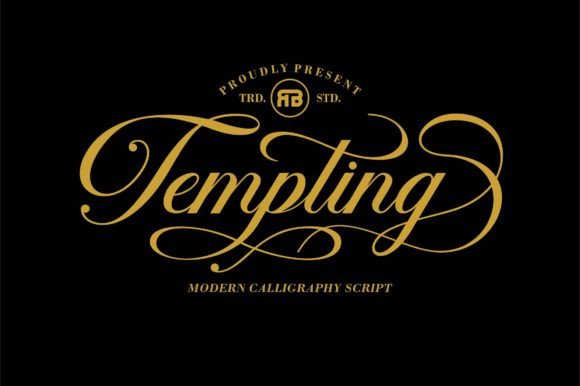
Tempting is a striking script font that brings elegance and personality to digital design. As a web designer, I appreciate fonts that not only look good but also serve functional purposes in layout and user experience. Tempting fits perfectly into this category, offering a refined yet expressive style that works well across multiple digital platforms.
The font’s detailed strokes and flowing curves give it a polished, handcrafted feel. It’s ideal for projects where a touch of sophistication or creativity is needed. Whether you’re designing a website header, a landing page, or an online store banner, Tempting adds visual interest without overwhelming the design.
Using Tempting in Web Design
In web design, visual hierarchy is crucial. Tempting excels as a display font for headlines, section titles, and call-to-action buttons. Its legibility at larger sizes makes it perfect for hero sections, where it can draw attention and set the tone for the rest of the page.
For example, on a creative portfolio site, using Tempting for the main heading can immediately communicate a sense of artistry and professionalism. On a boutique online store, it can be used in banners to highlight promotions or special offers. The font’s versatility allows it to adapt to different brand identities while maintaining a cohesive look.
Readability and Digital Usability
While Tempting is highly decorative, it remains readable in appropriate contexts. On mobile screens, it performs best when used for short phrases or headings rather than long paragraphs. When paired with a clean sans serif font for body text, it creates a balanced contrast that enhances readability.
For small buttons or icons, consider using a lighter weight of the font or a simplified version if available. On dark backgrounds or image overlays, ensure sufficient contrast by adjusting color or adding a subtle drop shadow. These small adjustments can make a big difference in user experience.
Brand Tone and User Engagement
Tempting’s personality leans toward modern, elegant, and slightly whimsical. This makes it a great choice for brands that want to convey creativity, luxury, or a personal touch. It can help establish a unique brand voice that stands out in a crowded digital space.
When used consistently across a website, Tempting contributes to a strong online identity. It reinforces brand recognition and builds trust with users who associate the font with quality and attention to detail.
Practical Applications for Digital Creators
For a coaching website, Tempting can be used in headers and subheadings to create a warm, inviting atmosphere. In a product landing page, it can emphasize key selling points and encourage conversions. On a blog, it can serve as a header font that draws readers in and sets the tone for the content.
When designing a digital brand kit, Tempting can be used in logos, social media graphics, and email templates. Its fluid lines and expressive nature make it ideal for creating a visually appealing and cohesive brand presence.
Font Pairing and Design Balance
Tempting pairs well with simple, clean fonts that provide contrast without competing. For instance, pairing it with a sans serif font like Helvetica or Open Sans creates a modern, professional look. Alternatively, combining it with a serif font such as Georgia or Playfair Display can evoke a more editorial or traditional feel.
When selecting font pairings, consider the overall mood of the design. A bold, handwritten font like Tempting might work best with a minimalist typeface to avoid visual clutter. Always test pairings across different screen sizes and backgrounds to ensure they remain effective and legible.
Commercial Licensing and File Formats
Before using Tempting in a project, check the commercial licensing terms. Most premium fonts require a separate license for web use, especially if the font will be embedded on a website or used in client projects. Ensure that the font includes all necessary file formats, such as WOFF, WOFF2, and TTF, for optimal web performance.
Also, verify that the font supports multiple weights and alternates, which can add flexibility to your design. If the font includes multilingual support, it can be a valuable asset for global audiences or international brands.
Conclusion
Tempting is a powerful tool for web designers and digital creators looking to elevate their typography. Its blend of elegance and expressiveness makes it suitable for a wide range of applications, from branding to conversion-focused layouts. By understanding its strengths and limitations, you can use it effectively to enhance user experience and strengthen your digital identity.
Whether you're working on a creative portfolio, an online store, or a marketing campaign, Tempting offers a stylish and versatile solution that aligns with modern design trends and practical usability needs.